
Irrigation systems for Nigeria
Water. Land.
Productivity.
ASFA IRRIGATION NG designs, supplies, installs and supports irrigation systems for farms, landscapes and greenhouses, from the water source to the root zone.
One water system,
four kinds of site.
Every system starts from the same questions: how much water, from where, for which plants, on what ground, with what power.
Agricultural irrigation
Drip, sprinkler, rain-gun and centre pivot systems for commercial farms, cooperatives and institutions, sized to the crop, the soil and the water you have.
Landscape irrigation
Automatic irrigation for hotels, estates, campuses and homes: hydrozoned valves, matched sprinklers and drip for beds and trees.
Greenhouse & protected agriculture
Greenhouse, nethouse and nursery packages designed around water storage, filtration, fertigation and drip irrigation.
Farm landscape design
Farm layouts built around the water system: irrigated and rain-fed zones, reservoir and pump siting, shelterbelts, access and phasing.
From water source
to root zone.
Seven steps. Every quotation states which of them are in our scope and which, such as civil works, stay with you.
- 01
Discover
We learn what you grow or plant, where, and what you want the system to achieve.
- 02
Assess
A site visit: water source and yield, soil, terrain, power supply and crop layout.
- 03
Design
Hydraulic design and pump sizing, with drawings and a detailed bill of quantities.
- 04
Supply
Pumps, filtration, pipes, emitters, sprinklers, controllers and pivots, sourced for your project.
- 05
Install
Installation of the network, from the pumping station to the last lateral.
- 06
Commission
The system is started up and checked, and the people who will run it are trained.
- 07
Support
Spare parts, technical assistance and advice to keep the system efficient.
The work,
on the ground.
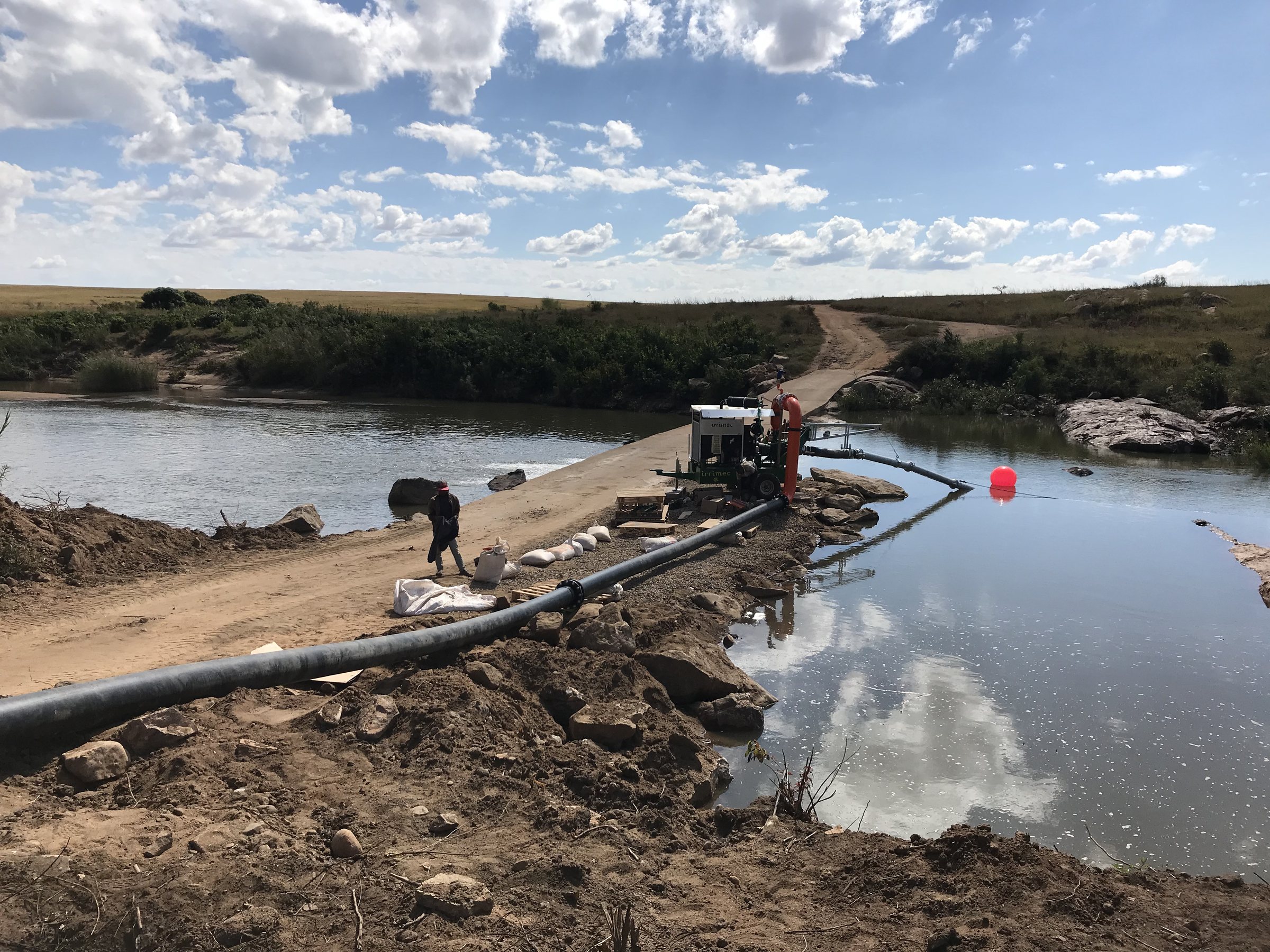
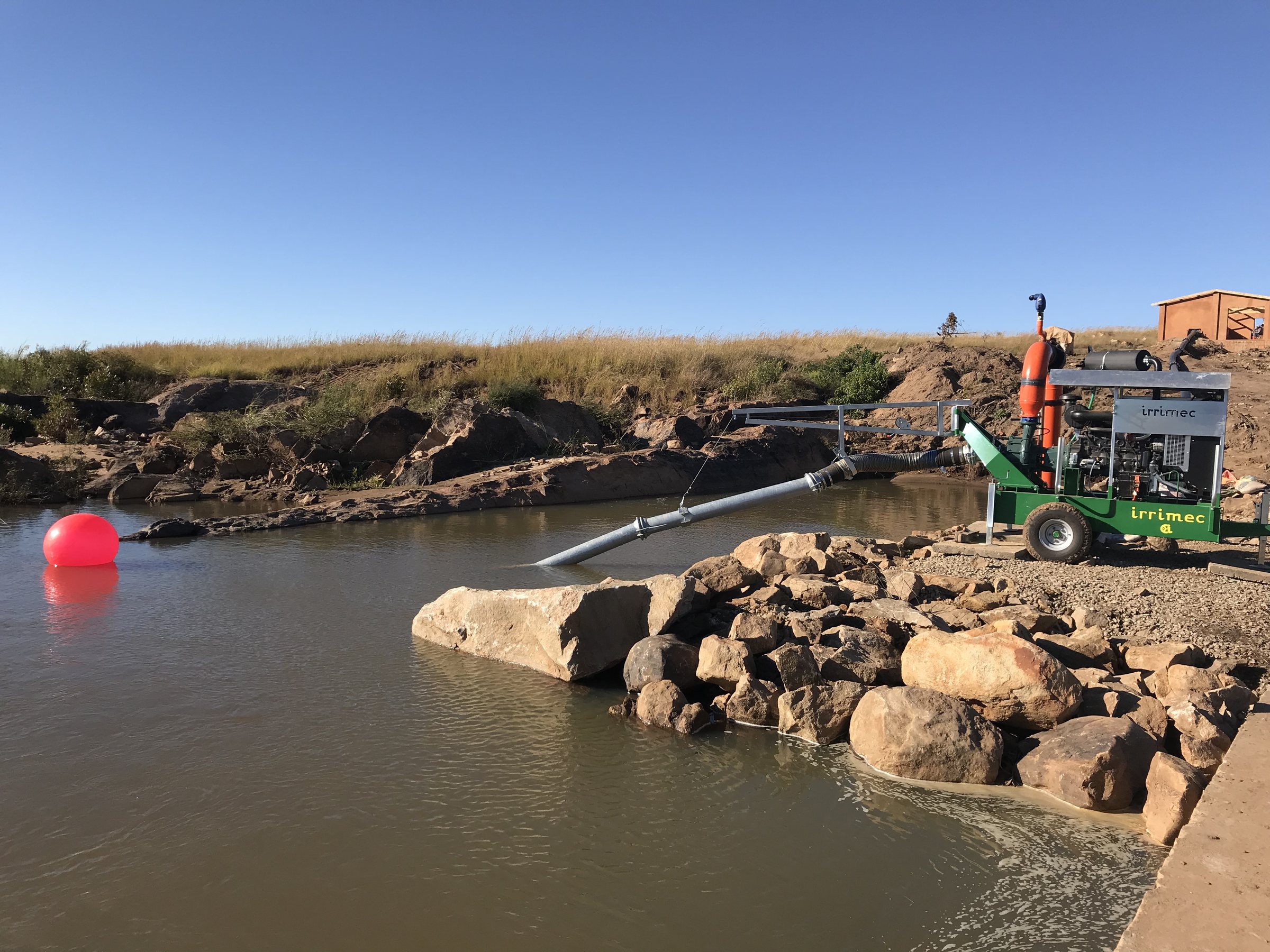
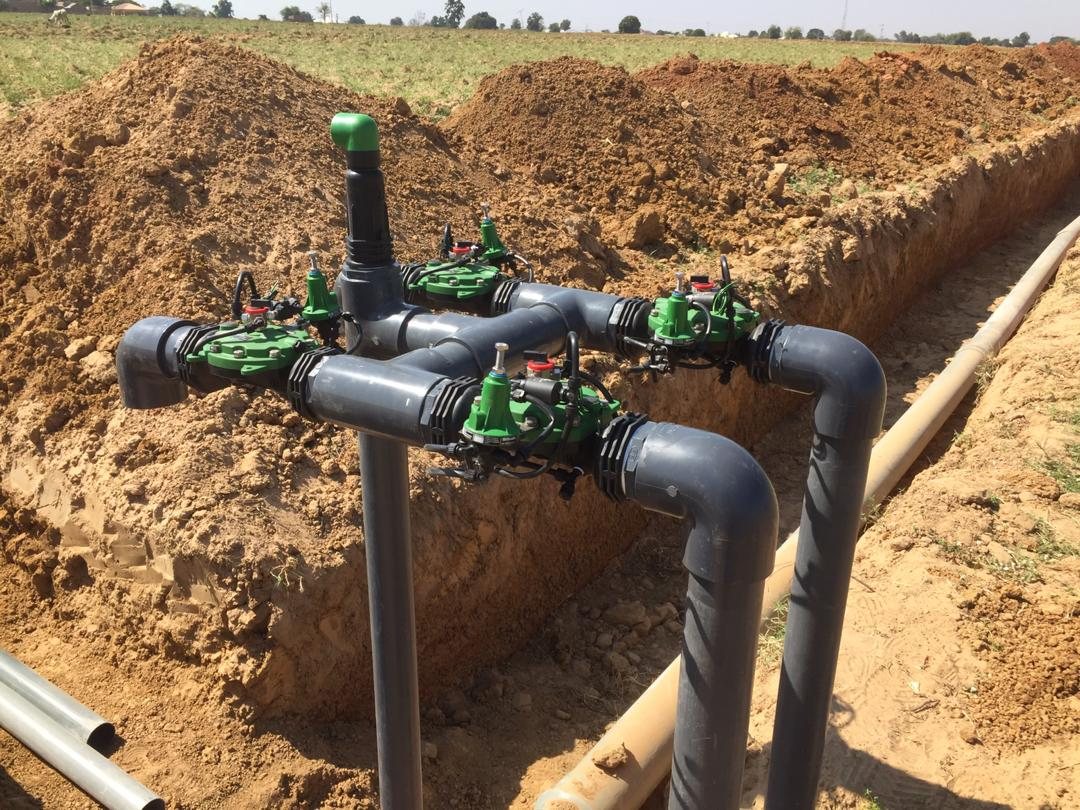
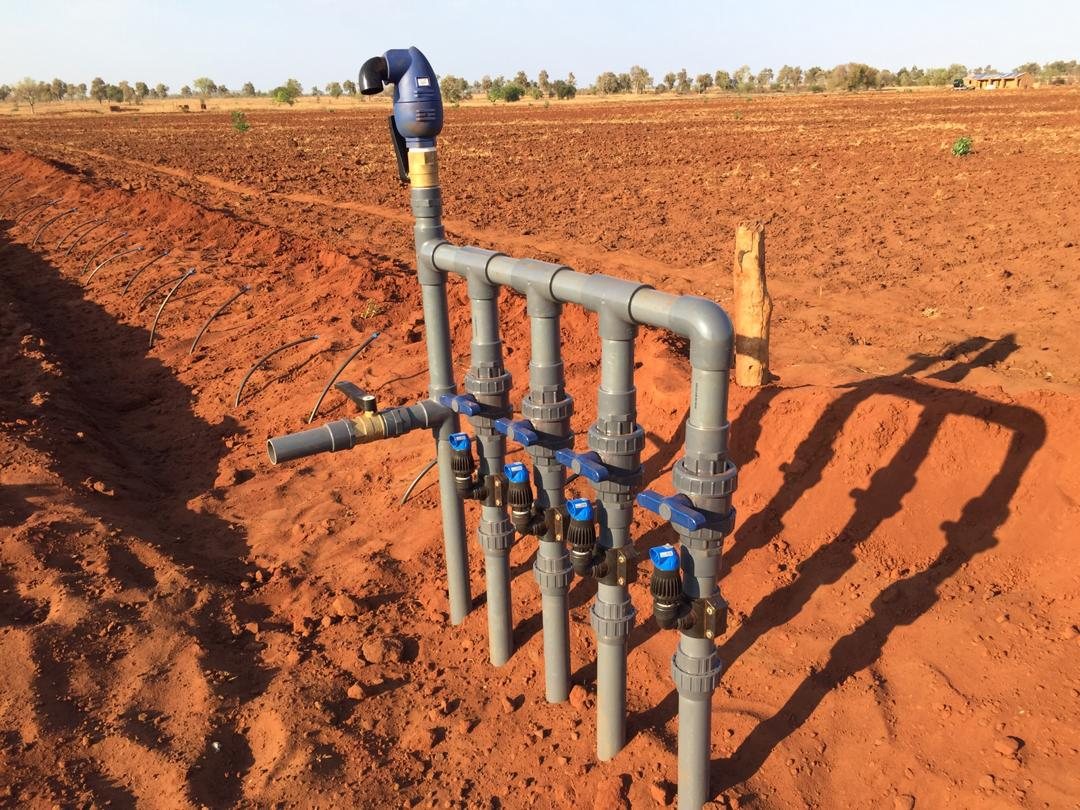
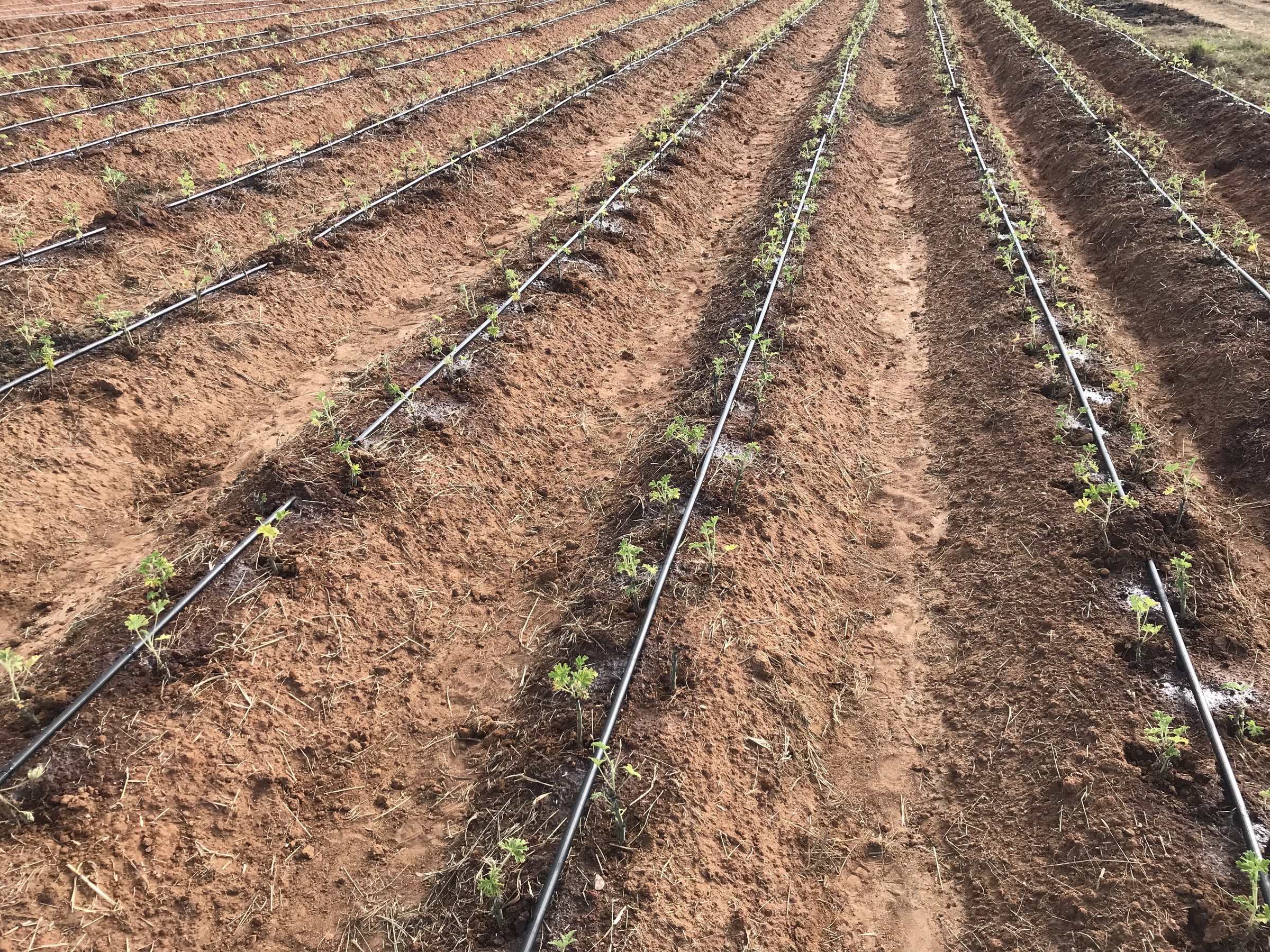
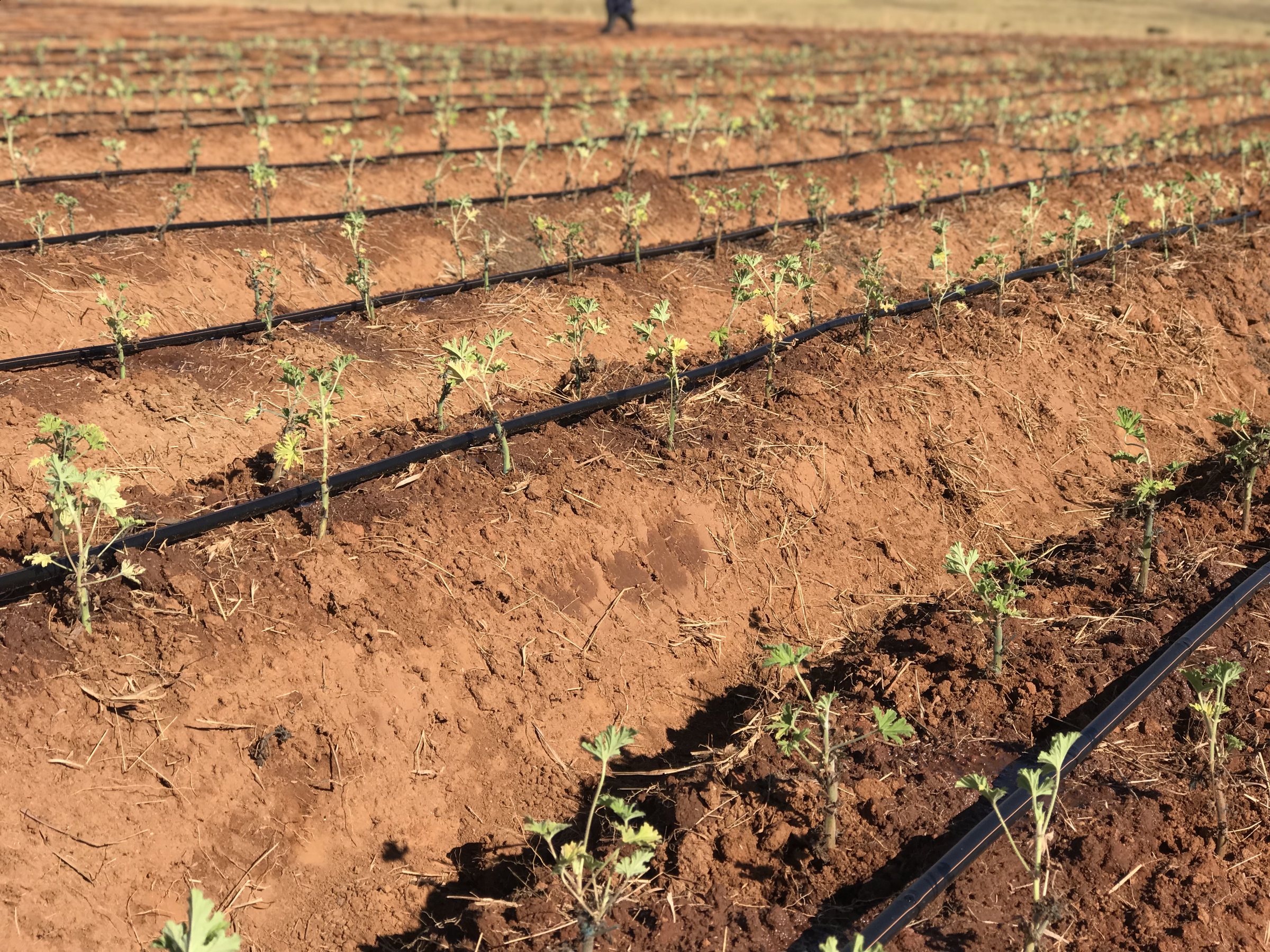
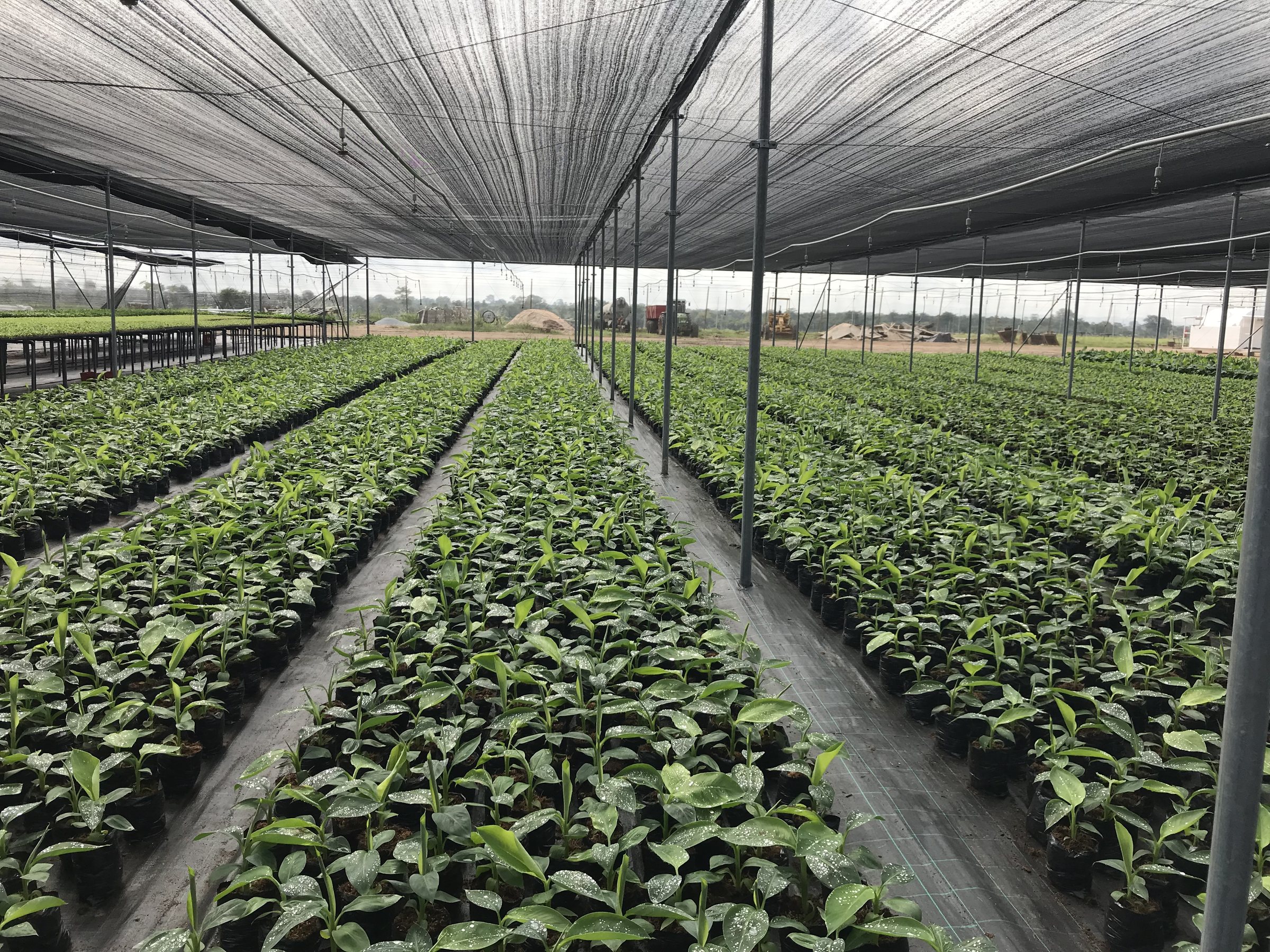
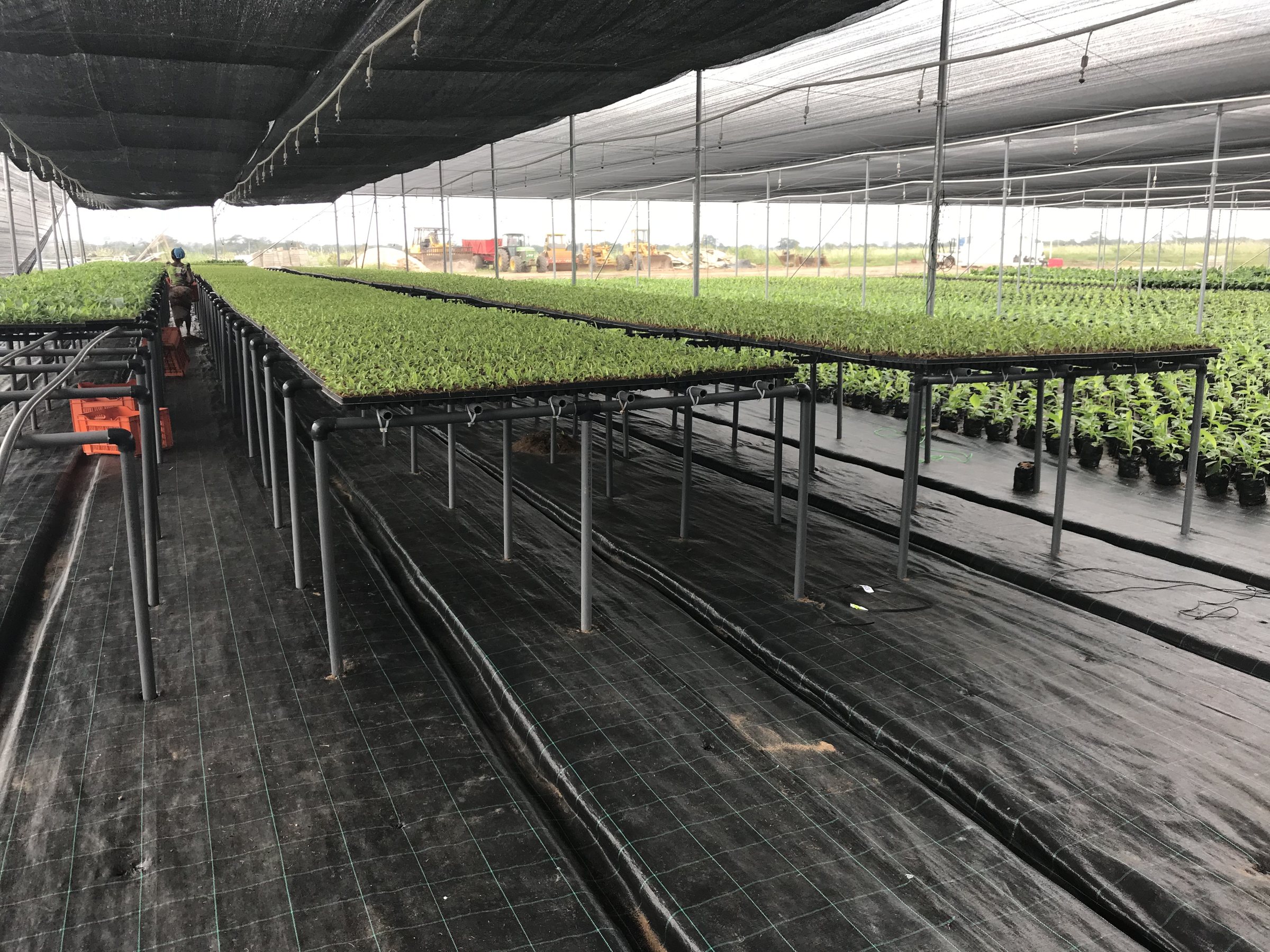
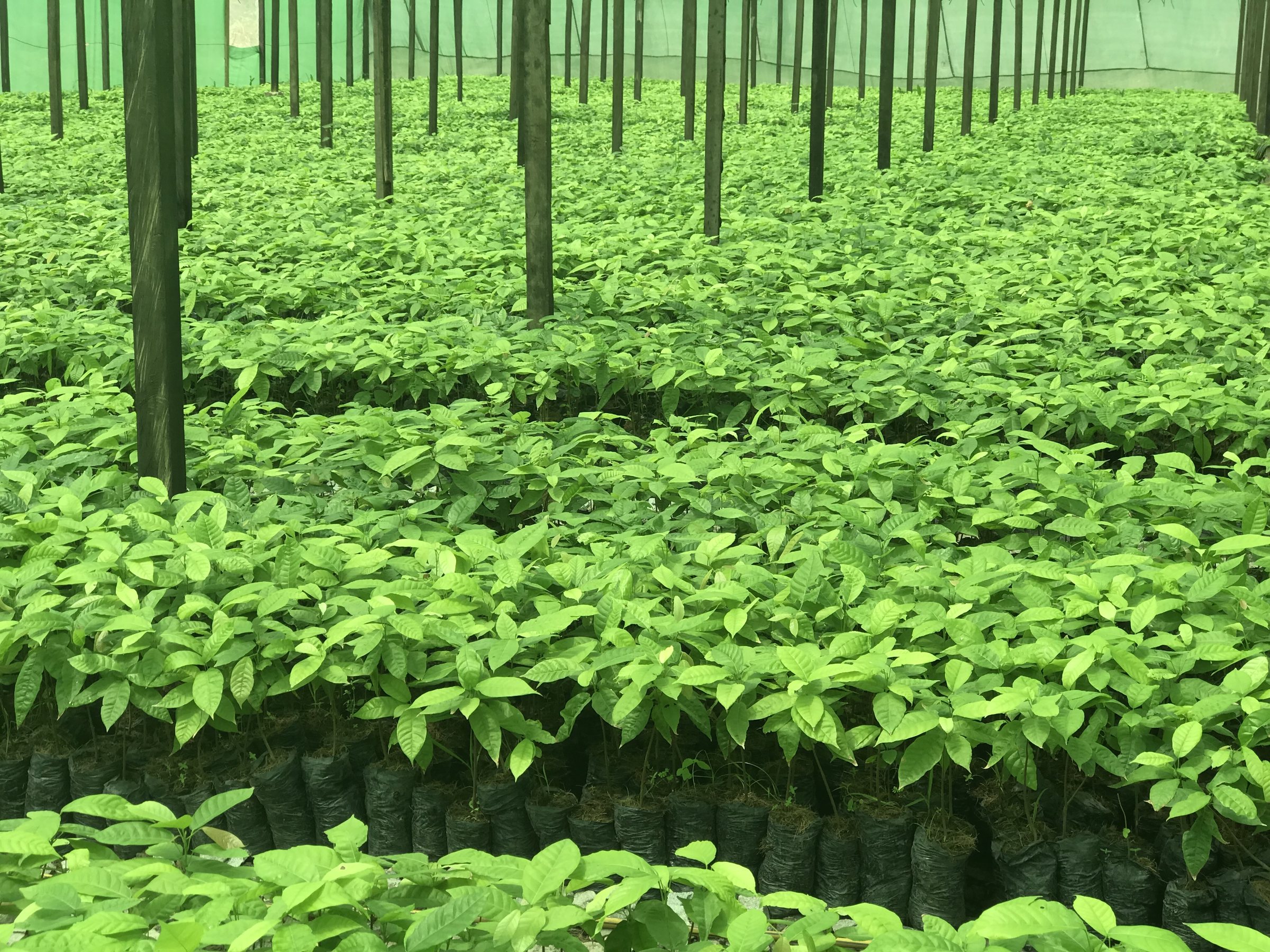
Projects led by our founder, Paul Camille N’DRI, before ASFA IRRIGATION NG was formed. They show the kind of work we design and deliver.
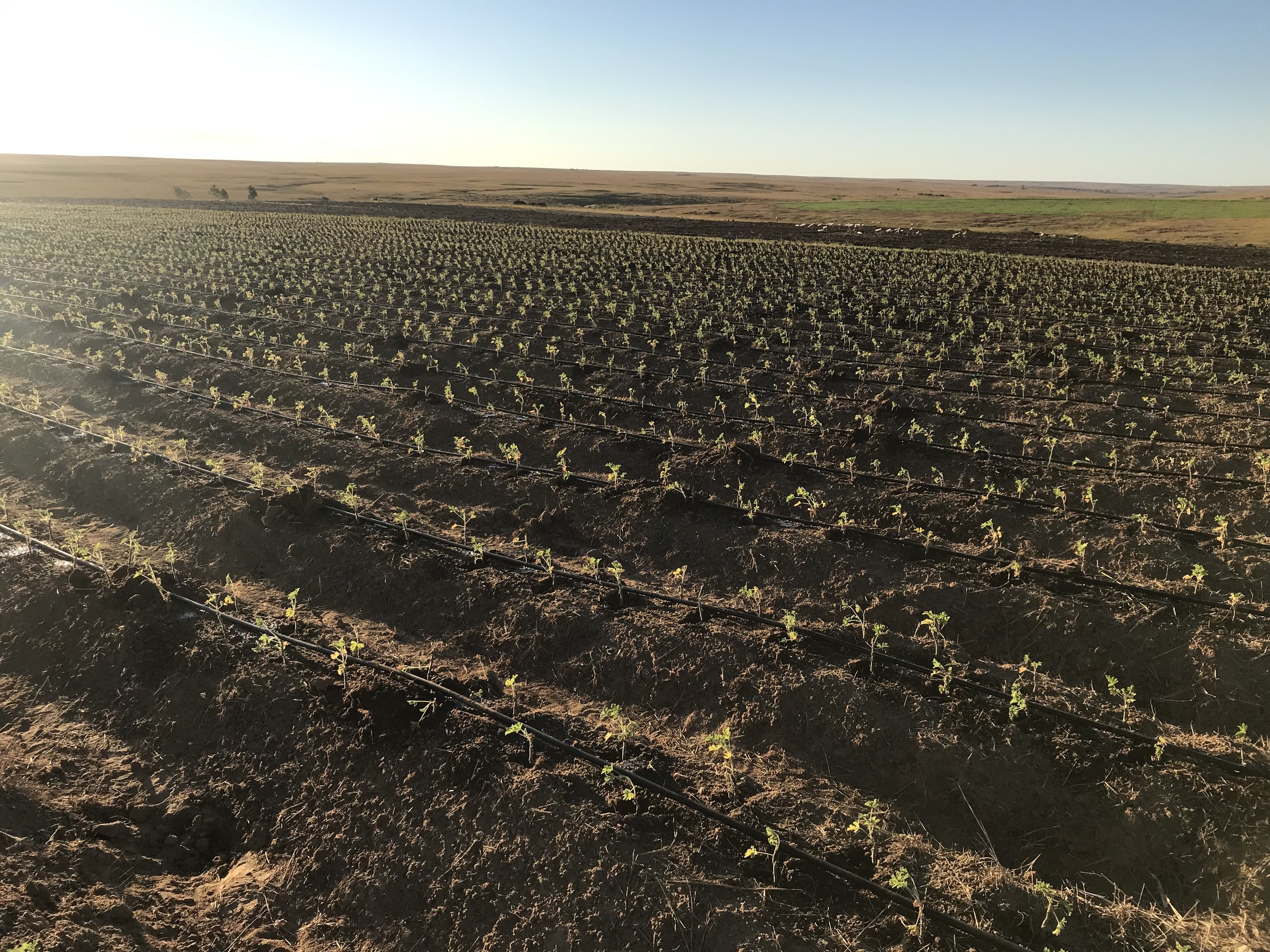
Field irrigation
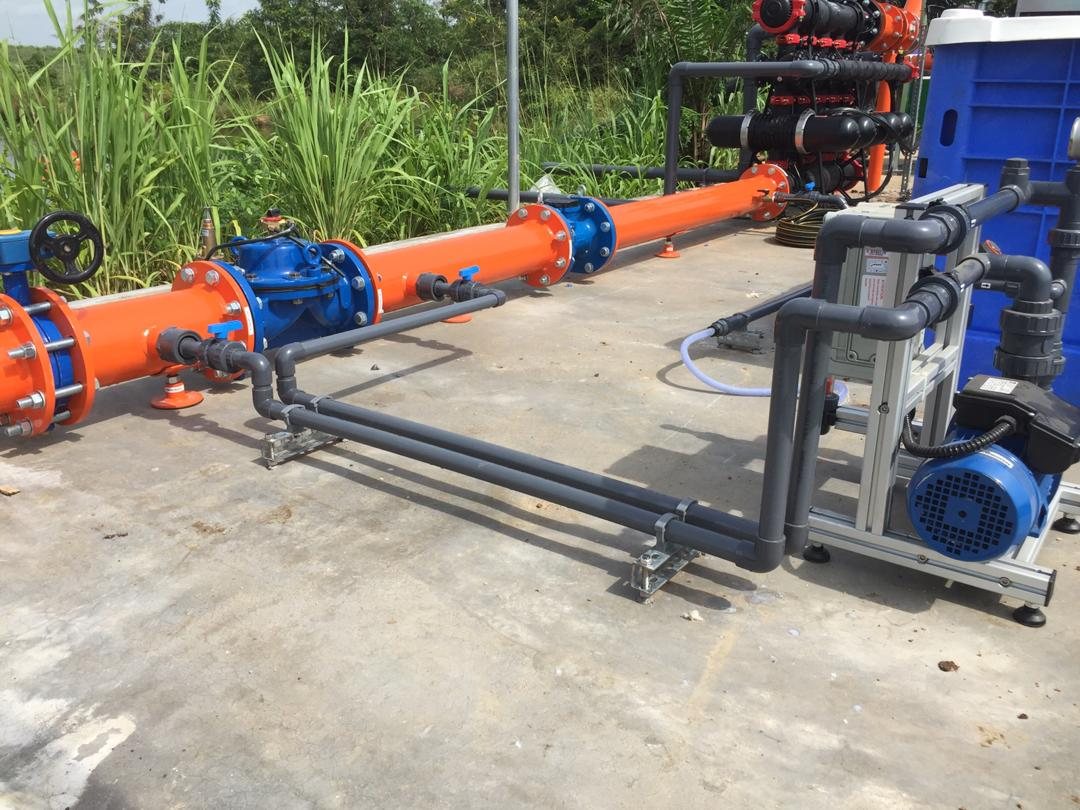
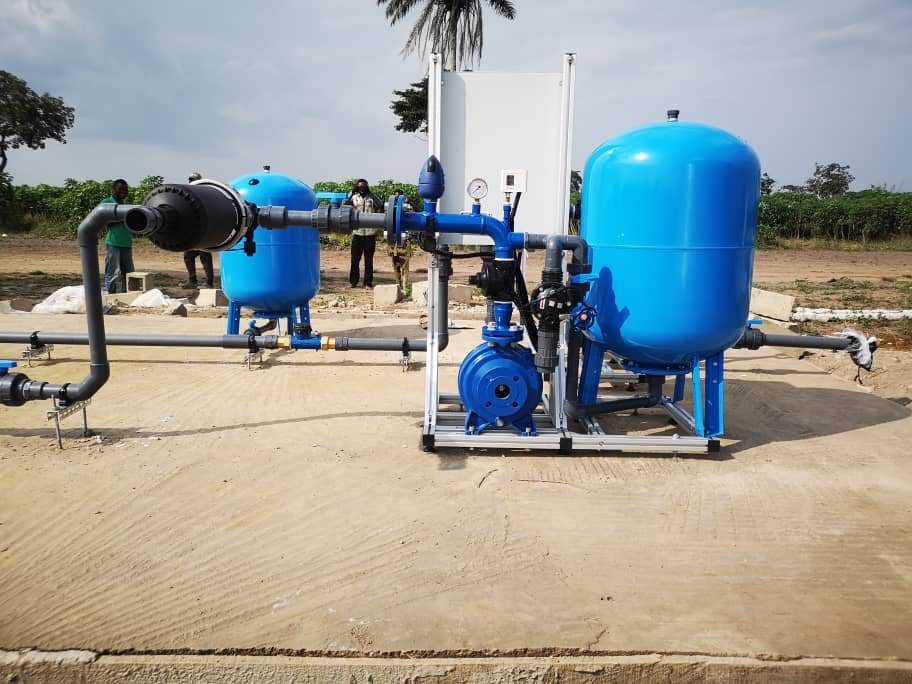
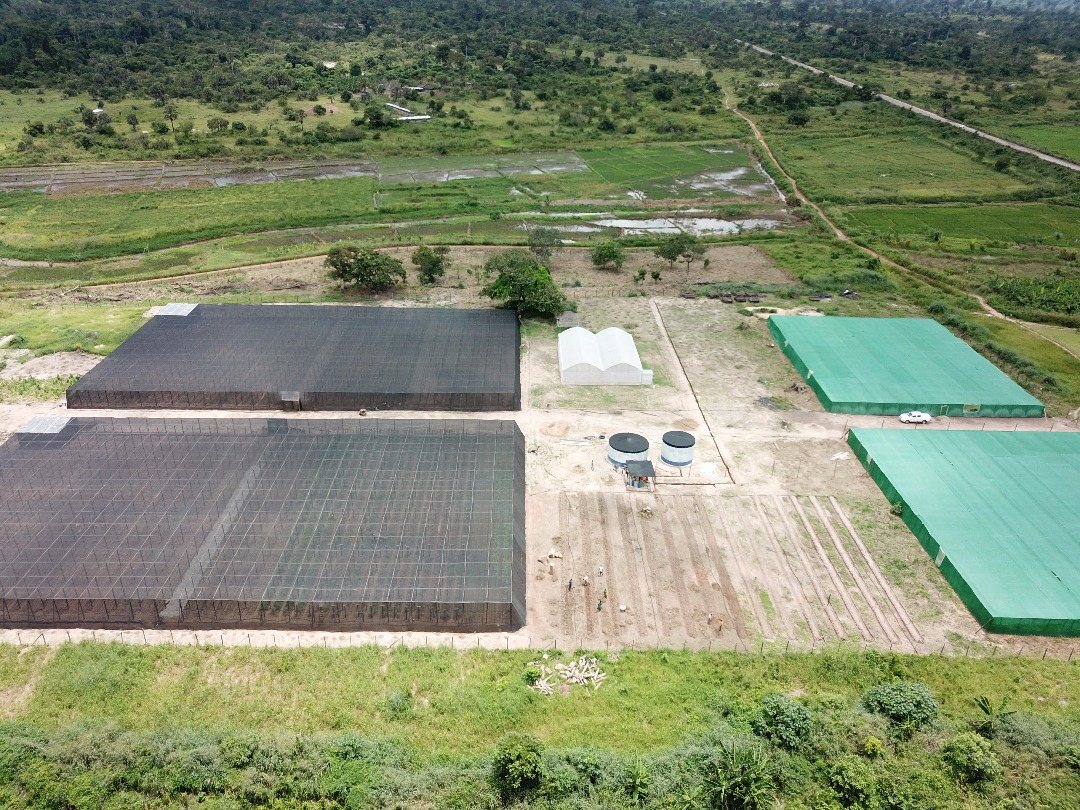
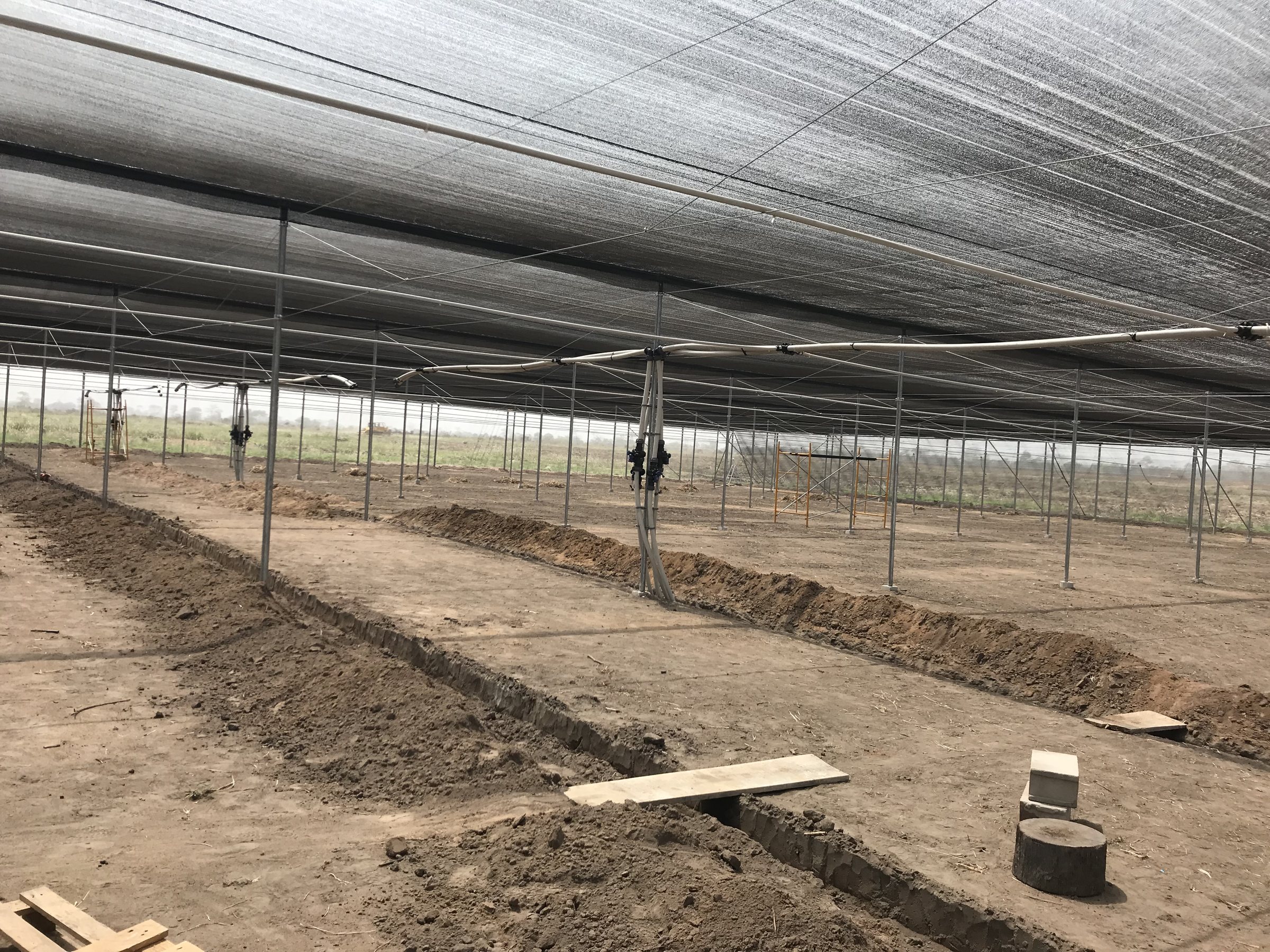
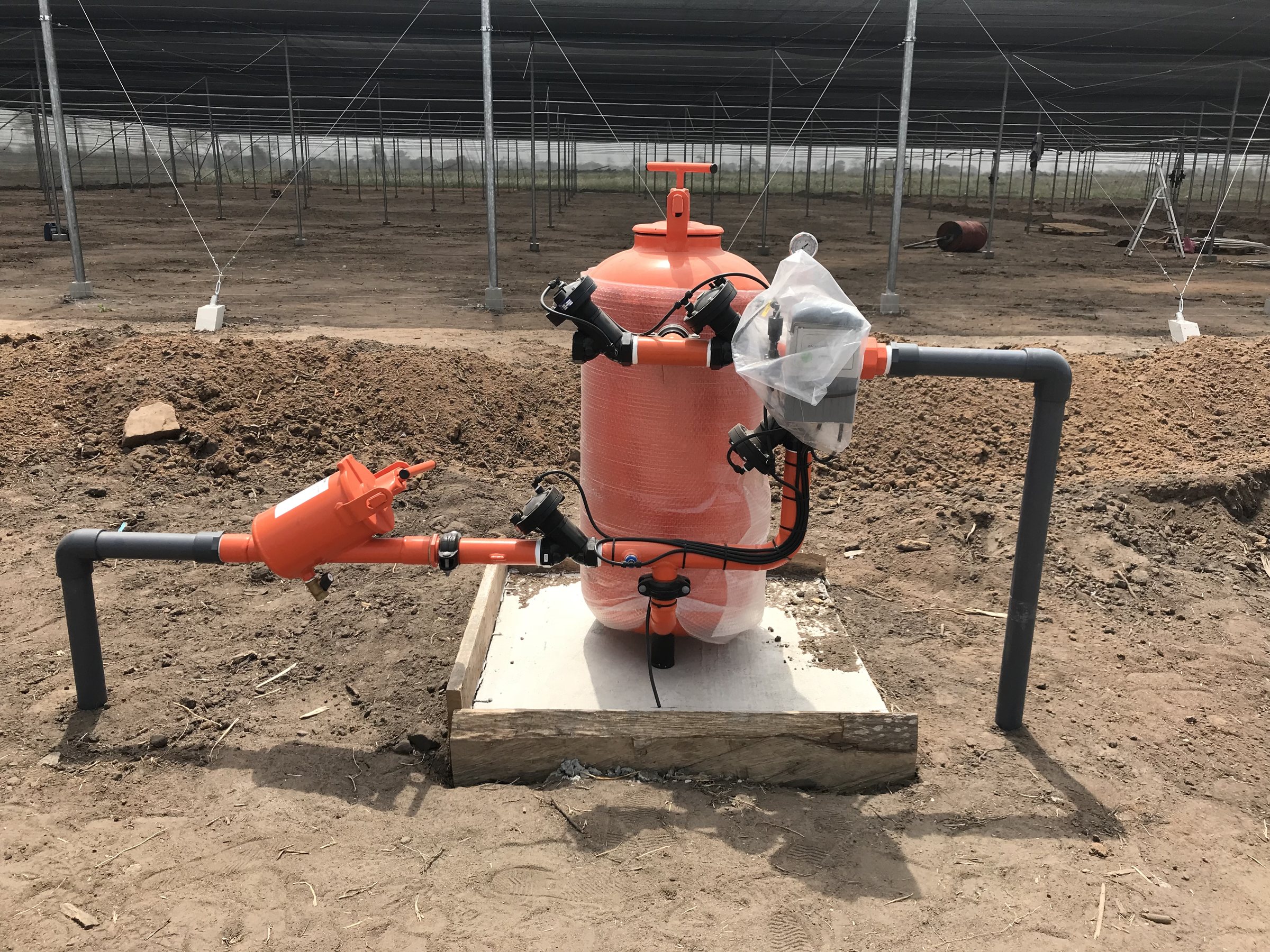
Nethouses and nurseries
A system is only
as good as its design.
We recommend a full design for any farm from about 2 hectares. It sizes the pump and the pipes to the water you actually have, and it gives you a bill of quantities you can compare.
- 01
Wrong design
Bad estimates and hydraulic errors: pressure too low at the end of the line, pumps too big or too small.
- 02
Poor equipment
Components that wear out before the system has paid for itself, and high maintenance costs.
- 03
Poor installation
A sound design spoiled by leaks, wrong fittings and uneven laterals.
- 04
No after-sales
No spare parts and no one to call when something stops.
No single system
suits every farm.
The right choice depends on the crop, soil, slope, field shape, water source, power, budget and the people who will run it. Water efficiency is one factor among these.
| System | Indicative range |
|---|---|
| Surface / flood | 40–70% |
| Solid-set sprinkler | 60–85% |
| Centre pivot | 75–90%up to about 95% with low-energy precision application (LEPA) |
| Linear move | 80–87% |
| Drip / micro-irrigation | 80–90% or more |
Actual efficiency depends on design, soil, wind, maintenance and above all scheduling; any system wastes water if it is over-applied. Sources: FAO (1989) Irrigation Water Management Training Manual No. 4, Annex I; USDA-NRCS (1997) National Engineering Handbook Part 652, Chapter 6, Table 6-4. Indicative ranges, not guarantees.
Equipment we design
with and supply.
We specify components from established international manufacturers, chosen for the job rather than for the brand.
 NetafimDrip irrigation
 Nelson IrrigationSprinklers and big guns
 Rain BirdSprinklers and controllers
 ValleyCentre pivots
 RivulisDrip irrigation
 AZUDFiltration
- and othersChosen for the job
Trademarks belong to their respective owners. ASFA IRRIGATION NG LTD is an independent company.
your project.
Location, area, crop and water source are enough to start. We will come back to you with the next step.